

EPS cement sandwich panels offer a convenient and efficient solution for construction projects, and their installation process is relatively straightforward, making them suitable for DIY enthusiasts. Whether you're building a new home, renovating an existing structure, or adding an extension, here's a step-by-step guide to installing EPS cement sandwich panels yourself.
1. Preparation
Before you begin the installation process, ensure that you have all the necessary tools and materials on hand. This includes EPS cement sandwich panels, adhesive, screws, a saw for cutting panels to size, a level, measuring tape, and safety equipment such as gloves and goggles.
2. Surface Preparation
Start by preparing the surface where you'll be installing the EPS cement sandwich panels. Ensure that the surface is clean, dry, and free from debris. If necessary, apply a layer of primer to improve adhesion.
3. Cutting Panels to Size
Measure the dimensions of the area where you'll be installing the panels and use a saw to cut the EPS cement sandwich panels to the appropriate size. Take accurate measurements to ensure a precise fit.
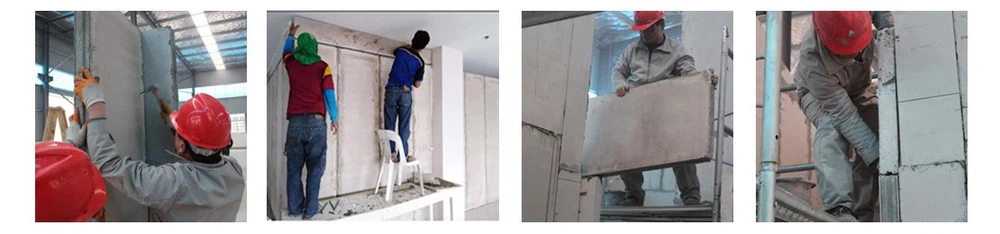
Contact us for the best price now !
4. Applying Adhesive
Apply a generous amount of adhesive to the back of each EPS cement sandwich panel. Ensure that the adhesive is evenly distributed across the surface to ensure proper bonding.
5. Installing Panels
Carefully position the first panel onto the prepared surface, ensuring that it is level and flush with adjacent panels. Use a level to check for alignment and make any necessary adjustments.
6. Securing Panels
Once the first panel is in place, use screws to secure it to the surface. Place screws at regular intervals along the edges of the panel, ensuring that they penetrate the substrate beneath.
7. Adding Additional Panels
Continue the installation process by applying adhesive to the back of each additional panel and securing them to the surface using screws. Ensure that each panel is aligned properly with adjacent panels for a seamless finish.
8. Sealing Joints
Once all panels are installed, seal any gaps or joints between panels using a suitable sealant. This will help prevent moisture infiltration and ensure a watertight seal.
9. Finishing Touches
After the adhesive has fully cured, you can apply finishing touches to the EPS cement sandwich panels as desired. This may include painting, rendering, or applying decorative finishes to enhance the aesthetic appeal of the panels.
10. Safety Precautions
Throughout the installation process, be sure to observe safety precautions such as wearing protective gear and using tools and equipment properly to prevent accidents or injuries.
Conclusion
Installing EPS cement sandwich panels yourself is a manageable DIY project that can save time and money on construction projects. By following these simple steps and exercising caution, you can achieve professional-looking results and enjoy the benefits of durable, energy-efficient panels in your home or building project.