


Xiamen ZJT Building Materials
The Best Solution for Your Construction Projects
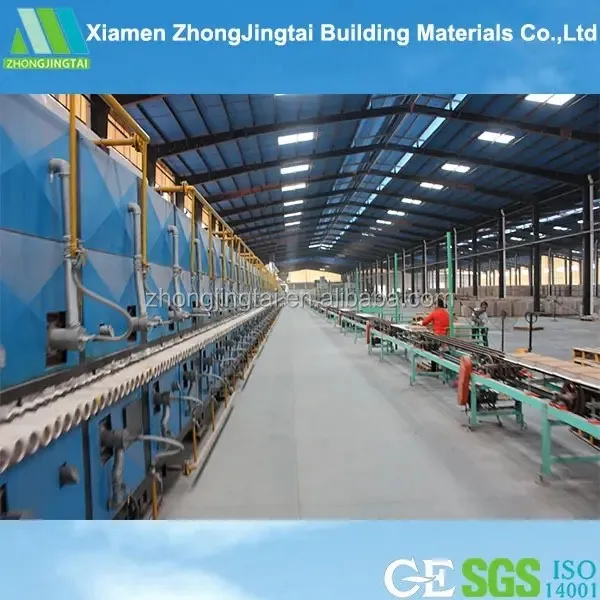
As a leading EPS Cement Sandwich Panel manufacturer in China, our factory is located in the beautiful city of Xiamen, with a modern working environment and production base. Our advantages are specifically reflected in the following aspects:
Complete Range of Products
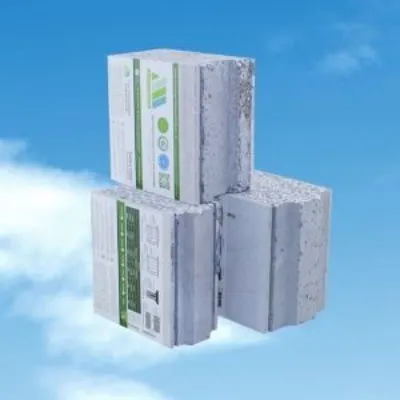
Our company can provide you with EPS Cement Sandwich Panel, Interior Wall Panel, Exterior Wall Panel, Roof Panel, Floor Panel, Fireproof Cement Sandwich Panel, Steel EPS Sandwich Panel, PU Sandwich Panel, Water Permeable Brick, Wall Panel Installation Accessories and other building materials.
High Quality Standards
Each of our series of products is produced to very high quality standards. Not only do they have a strong and impact-resistant core, they are also highly thermally, soundproofed, fireproof and waterproof.
Environmentally Friendly
Our products also comply with the country's environmentally friendly building policy, which means they are sustainable and environmentally friendly solutions. Therefore, anyone can use the building materials we produce with confidence.
Professional Customization Service
We can also design sandwich wall panels to your specific requirements and preferences, ensuring you get the product you need for your building project. Our team of experts is ready to answer any questions and provide more information on how to help you with your construction needs.
Water permeable bricks are fired clay brick units with open, permeable spaces between units. They provide a durable surface that allows rainwater runoff to penetrate the joints. The brick units themselves typically do not absorb more water, but rather in a way that allows water to flow around them and down to the permeable layer. Permeable bricks form the hard surface of roads, car parks, driveways, garden paths and walkways, and they are very common in daily life.
How Permeable Bricks Work?
Permeable bricks are made of porous stone. This means that when it rains, the water does not pool on top of the pavement but penetrates the stone and drains into the ground. The water permeates through a layer of gravel like in a coffee pot, acting as a natural filter, purifying the water of contaminants. The primary function of permeable paving is to relieve pressure on aging and overloaded drainage systems by treating stormwater in one of two ways: either by quickly dispersing rainwater into the ground, or by capturing it and allowing it to gradually seep out.

Features of Water Permeable Bricks

01
Environmental Friendly
Water permeable bricks are designed with environmental factors in mind. Unlike traditional impermeable surfaces, permeable brick materials allow rainwater to penetrate the surface and seep into the ground. This helps replenish natural groundwater supplies, reduce stormwater runoff, and minimize flood risk.
02
Excellent Drainage Capacity
One of the outstanding features of permeable bricks is their excellent drainage capabilities. By allowing water to flow freely through the pavers, they help prevent surface water from pooling. The permeability of these bricks also reduces the chance of freezing during cold seasons, further improving safety.

03
Durable and Beautiful
Permeable bricks are not only practical but also visually appealing. They are mainly composed of cement, quartz sand, pigments and cavities. The sturdy design and high-quality materials ensure its longevity. Additionally, they are available in a variety of colors, patterns and sizes to complement your personal style and enhance the overall beauty of your property.

04
Easy to Install and Maintain
These water permeable tiles require minimal maintenance, saving you time and energy in the long run. Routine cleaning and occasional sweeping should be enough to keep them looking great and functioning optimally. At the same time, they are very easy to install.
Benefits of Water Permeable Bricks

Reduce Overall Irrigation Demand
By allowing water to seep into the ground, water permeable bricks greatly reduce the amount of artificial irrigation required in the immediate and surrounding areas. Doing so will help you save money and reduce your daily irrigation water usage.
Reduce Local Ambient Temperature
Light coloured permeable stones reflect the sun’s rays, thus deflecting the heat and reducing the local ambient temperature. This helps improve the health of your surrounding vegetation and air quality.
Control Erosion
In areas with loose soil that are prone to heavy rain, permeable paving can be used to retain soil and prevent erosion. If lawns, gardens and outdoor living spaces are not properly secured and protected, heavy rains can runoff them causing damage and erosion that will be costly and time-consuming to fix.
Reduces Peak Rates of Discharge
Permeable paving helps to re-establish a more natural hydrological balance between the built and natural environments that are prevalent in your home. This happens by trapping and releasing precipitation into the ground instead of allowing it to flow into drains and rivers. By reducing the peak rates of water being discharged through the soil, this process also prevents large and fast pulses of precipitation to flow into the stormwater system.
Water Permeable Bricks Specification (Taking Concrete Water Permeable Paver Brick as an Example)
| Materials | 1) The slag waste |
| 2) The waste ceramics | |
| Size | 1) 300*300*55mm (50mm, 40mm, 30mm) |
| 2) 150*300*55mm (50mm, 40mm, 30mm) | |
| 3) 200*200*55mm (50mm, 40mm, 30mm) | |
| 4) 200*100*55mm (50mm, 40mm, 30mm) | |
| Color | Brown, Pink, Yellow, Black, Grey, White |
| Also it can as per customs' requirements. | |
| Application | City road, The parks, Villas, Residential quarters, Landscape and Garden decoration etc. |
| Function | Good water permeability, Function of automatic adjustment, Noise reduction, High compress strength, Low carbon emission and environmental protection etc. |
| Delivery Time | About 10-20 days after receiving the deposit |
| Payment Terms | T/T, L/C |
| Packing | Standard export cartons and strong wooden pallet packed. The customers' demands also could be accepted. |

Common Applications of Water Permeable Bricks
Parking Lots
Permeable paving can be one part of green parking lots, including rain gardens, art, trees, solar covers and other creative elements. Paving and landscaping choices have a significant effect on the environmental impact of parking lots.
Shopping Centers
Shopping centers really can't do with slippery surfaces. Like driveways, shopping centers often need to meet specific design conditions whilst raising the safety to the highest level. Permeable Bricks can help reduce the likelihood of accidents caused by slippery surfaces and water-related downtime.
Entrances
Entrances can be bold and imposing, grand or reserved. They've got to look a certain way, but they must always fulfil their primary function: to allow people to walk towards the establishment safely. Permeable bricks feature the perfect materials for the entrance to a home, building, or property. The design possibilities and incredible drainage capacity will ensure your entrance looks fantastic and other tangible benefits, like anti-slip texture and ease of maintenance.
Driveways
There is nothing worse than pulling onto your driveway after a wet day to find it brimming with stagnant water. It is hard to prevent puddles on a large flat surface area unless you use permeable paving, promoting natural drainage. Permeable paving bricks maintain an ideal driving surface by providing fantastic water drainage. Excellent drainage combined with an anti-slip surface means you don't have to worry about entering or exiting your car in slippery conditions whilst your driveway remains clean-looking.
Public Spaces
Heat islands are typical in public spaces because of the amount of land covered by concrete or asphalt paving. These surfaces absorb heat, which increases the temperature and causes a heat island effect. Cities can significantly reduce the heat island effect by installing permeable pavement, which allows the soil below to breathe and lower temperatures.
Maintenance Tips for Water Permeable Bricks
Sweeping
While maintenance of permeable pavers doesn’t need to be done frequently, you should perform some maintenance from time to time. The easiest way to keep your pavers clean is to remove trash and debris from the surface. Anything you see on the surface and pick up needs to be removed. Twigs, trash, leaves, and other debris can clog the holes in your bricks, so it's a good idea to use a broom and/or your hands to remove debris.
Inspection
Inspecting your paver surface at least three times a year after heavy rains is another important part of your maintenance plan. Look for standing water and visible dirt or material in the gaps between bricks. This indicates there may be a blockage beneath the surface. During the inspection, you'll also want to look for signs of wear and tear, which may indicate that your permeable pavers need to be resealed. For pavers and bricks, this is a critical part of preventing water penetration and further damage.
Vacuuming/Power Washing
When your paving becomes severely clogged or in a condition that cannot be repaired with basic tools like a broom, it's time to use heavy-duty tools. Using a shop vacuum (6 horsepower or better) twice a year is the best way to keep your permeable pavers as clear and clear as possible. One tip is to use nails or a screwdriver to loosen the packing between the pavers to allow for better cleaning before vacuuming.
Snow and Ice
Snow and ice are usually not a big problem with permeable brick pavement. Snow tends to melt and disappear through the bricks, while ice does need to be dealt with. After each snowfall, you should remove as much snow from permeable pavement as possible. For ice, you can use salt, just not too much. Permeable pavement requires less salt to de-ice, and many types of salt can go bad if too much is used. You can also spread some gravel to increase traction, but don't use sand. Sand can clog your pavers, so use gravel or small stones instead. You can always clean it up later.
What are the Differences between Permeable and Non-Permeable Bricks?
Compared with non-permeable bricks, permeable bricks have several unique factors:

Permeable Bricks Have a Deep, Gravel-Only Base
The first difference between permeable and non-permeable bricks is the base layer. Permeable pavers have a deeper, gravel-only base instead of a thinner base composed of concrete sand and gravel. Specifically, the base is made from 6-8 inches of 3/4-inch open aggregate. The gravel-only base allows water to penetrate deep into the soil, but like the impermeable, non-permeable brick base, provides stability even as weather and rainfall patterns change.

The Joints between Permeable Bricks are Wider
The second difference between permeable paving bricks and non-permeable bricks is the difference in joints. Traditional non-permeable paving bricks have narrow joints between them and are filled with sand, such as polymer sand. Permeable paving bricks have wider joints, allowing water to easily drain out of the cracks and seep into the soil below.

Permeable Paving Bricks Actively Guide Water back to the Earth
Finally, and most importantly, permeable pavers actively channel water back into the ground. They prevent rainwater from accumulating and producing wastewater or toxic water, instead allowing it to seep back into the soil. Water permeable paving bricks are the most environmentally friendly option and can be used in the same manner as traditional paving bricks.
Our Certifications
Our company has obtained the following certificates

Factory Pictures
Below are photos of our factory for you to view

FAQ
Q: What is a permeable block?
Q: Are clay bricks water permeable?
Q: What are permeable brick pavers?
Q: How do you know if block paving is permeable?
Q: What is the service life of permeable pavement bricks?
Q: What is the difference between permeable bricks and ordinary bricks?
Q: Why is permeable pavement better?
Q: What is the depth of permeable pavement?
Q: What type of material is used for the base of permeable bricks?
Q: How to clean permeable brick pavement?
Q: Which is stronger, concrete or permeable bricks?
Q: Can I install a permeable brick driveway myself?
Q: Does permeable brick pavement require a slope?
Q: Are permeable paving bricks prone to cracking?
Q: Can permeable paving bricks be pressure cleaned?
Q: Is paving permeable brick cheaper than concrete?
Q: Can water permeable brick paving be used on rainy days?
We're well-known as one of the leading water permeable brick manufacturers and suppliers in China. Please feel free to buy high quality water permeable brick made in China here from our factory. For price consultation, contact us.