

In the dynamic landscape of construction materials, two contenders, EPS Cement Sandwich Panels and Structural Insulated Panels (SIPs), stand out as revolutionary choices. As builders and architects weigh their options, a critical question arises: which is better for modern construction? Let's embark on a comparative journey to unravel the strengths and weaknesses of each.
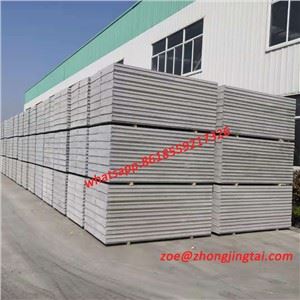
1. Composition and Structure
EPS Cement Sandwich Panels:
Comprising expanded polystyrene (EPS) sandwiched between layers of cement, EPS Panels offer a lightweight yet durable solution. The insulation properties of EPS contribute to energy efficiency.
Contact us for the best price now !
Structural Insulated Panels (SIPs):
SIPs consist of a foam core (often polystyrene or polyurethane) sandwiched between oriented strand board (OSB) or plywood. This combination provides strength and thermal resistance.
Which is Better? Both materials excel in different aspects. EPS Panels prioritize lightweight construction, while SIPs emphasize structural strength.
2. Thermal Insulation Performance
EPS Cement Sandwich Panels:
EPS Panels exhibit excellent thermal insulation, reducing the need for additional heating or cooling. The cement layers add to the overall insulation, contributing to energy efficiency.
Structural Insulated Panels (SIPs):
SIPs also provide commendable thermal insulation. The foam core minimizes heat transfer, creating a barrier that helps maintain consistent indoor temperatures.
Which is Better? Both EPS Panels and SIPs perform well in thermal insulation, making them energy-efficient choices.
3. Installation Speed and Efficiency
EPS Cement Sandwich Panels:
The lightweight nature of EPS Panels facilitates quick and easy installation. Builders can expedite the construction process, potentially reducing labor costs.
Structural Insulated Panels (SIPs):
SIPs, known for their prefabricated nature, can also expedite construction. The panels arrive on-site ready for installation, streamlining the building process.
Which is Better? Both materials offer advantages in terms of installation speed, making them attractive options for time-sensitive projects.
4. Cost Considerations
EPS Cement Sandwich Panels:
EPS Panels are generally cost-effective due to their lightweight nature, reducing transportation and installation expenses.
Structural Insulated Panels (SIPs):
While SIPs may have higher material costs, the efficiency in construction and potential energy savings can offset the initial investment.
Which is Better? Cost considerations depend on various factors, including project size, location, and the overall construction plan.

5. Environmental Impact
EPS Cement Sandwich Panels:
The use of EPS in panels may raise environmental concerns due to its non-biodegradable nature. However, the energy-efficient properties contribute to long-term sustainability.
Structural Insulated Panels (SIPs):
SIPs with OSB or plywood may have environmental implications, but the energy efficiency can make them a sustainable choice in the long run.
Which is Better? Both materials involve considerations related to environmental impact, with a potential trade-off between initial concerns and long-term sustainability.
6. Versatility in Design
EPS Cement Sandwich Panels:
EPS Panels offer design flexibility for various architectural styles, including curved shapes and artistic applications.
Structural Insulated Panels (SIPs):
SIPs provide design versatility, especially in creating energy-efficient and modern structures with straight and angular designs.
Which is Better? Design preferences and project requirements will determine which material aligns better with the desired architectural vision.
EPS Cement Sandwich Panels vs. Structural Insulated Panels (SIPs): Which is Better?
Navigating the choice between EPS Cement Sandwich Panels and Structural Insulated Panels (SIPs) requires a careful evaluation of project-specific needs. Both materials offer distinct advantages, making the decision contingent on factors like project goals, budget constraints, and design aspirations.
FAQs
Q: Can EPS Panels and SIPs be Used Together in a Single Project?
Q: Do EPS Panels or SIPs Require Specialized Installation Skills?
Q: Are EPS Panels or SIPs More Resilient to Harsh Weather Conditions?
Q: Do EPS Panels or SIPs Contribute to Sound Insulation?
Q: Can EPS Panels or SIPs be Painted or Textured?
As the construction industry evolves, the choice between EPS Cement Sandwich Panels and Structural Insulated Panels (SIPs) becomes pivotal. The decision rests on a thorough understanding of project requirements, environmental considerations, and the desired outcome. Whether it's the lightweight efficiency of EPS Panels or the structural prowess of SIPs, each material brings a unique set of advantages to the construction table.