

The performance of EPS wall panels under different climate conditions is mainly reflected in its thermal insulation performance. Because EPS (Expanded Polystyrene, molded polystyrene foam) has low thermal conductivity, it is widely used as thermal insulation material for building exterior walls. The following is the performance of EPS wall panels under different climate conditions:
- High-temperature climate: In high-temperature climate conditions, EPS wall panels can effectively reduce solar radiation and external heat transfer into the room, thereby reducing energy consumption for air conditioning and refrigeration.
- Cold climate: In cold climates, EPS wall panels can reduce indoor heat loss, improve the insulation performance of the building, help maintain indoor temperature, and reduce heating energy consumption.
- Hot and humid climate: For hot and humid climates, in addition to thermal insulation properties, EPS wall panels also need to have certain moisture-proof properties. The EPS material itself has a closed-cell structure, which can reduce moisture penetration, but drainage and ventilation measures in wall design also need to be considered.
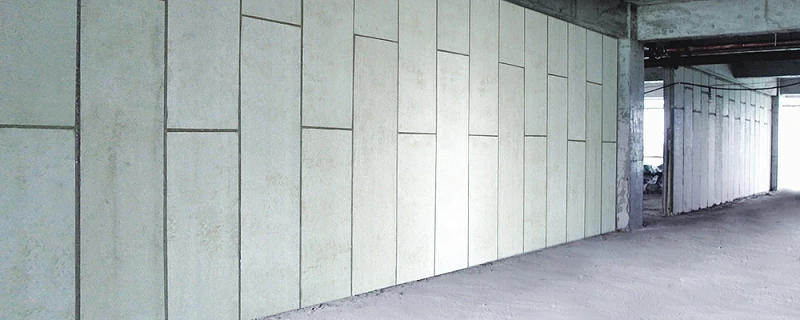
- Dry climate: In dry climates, the thermal insulation performance of EPS wall panels is particularly important because it helps reduce heat loss caused by the temperature difference between day and night.
- Extreme climates: Research shows that precast wall panels (which may contain EPS materials) can still exhibit good dynamic thermal performance in extreme climate conditions, such as extreme heat or cold. For example, one study evaluated the performance of precast wall panels under simulated extreme hot weather conditions and found that they had superior dynamic thermal properties, such as smaller attenuation factors and time lags.
In summary, EPS wall panels can provide good thermal insulation effects under various climate conditions due to their lightweight, efficient and economical characteristics, helping to improve the energy efficiency and indoor thermal comfort of buildings. However, the application of EPS wall panels in different climate regions still needs to consider the specific local climate characteristics and building energy-saving design requirements.