

In the modern construction industry, energy efficiency and environmental sustainability have become core concepts in design and construction. EPS Sandwich Panels, as an innovative building material, have attracted widespread attention due to their superior performance and diverse applications. This article will explore the features, advantages, and applications of EPS Sandwich Panels in construction to help you better understand this important material.
What Are EPS Sandwich Panels?
EPS Sandwich Panels consist of two layers of metal plates (such as colored steel plates or aluminum plates) and a core of polystyrene foam. This structure not only provides good mechanical strength but also ensures excellent thermal insulation performance. The low thermal conductivity of EPS material makes this panel an ideal insulating material in construction.
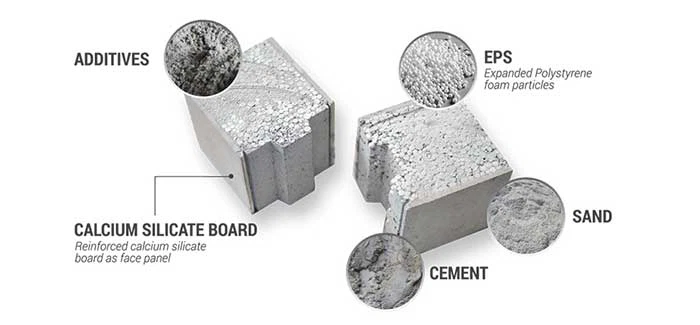
Core Features of EPS Sandwich Panels
- Superior Thermal Insulation Performance: The thermal insulation performance of EPS Sandwich Panels effectively reduces heat loss, thereby reducing the energy consumption of buildings and enhancing the comfort of occupancy.
- Lightweight and High Strength: Compared with traditional building materials, EPS Sandwich Panels are lighter, easier to transport and install, and have sufficient strength to withstand various external pressures.
- Waterproof and Moisture-Resistant: The metal outer layer of the panel provides good waterproof performance, suitable for buildings in various climatic conditions.
- Environmental Protection: EPS material is recyclable, reducing the impact of construction waste on the environment and aligning with the concept of sustainable development.
- Diversified Applications: EPS Sandwich Panels can be widely used in industrial buildings, commercial buildings, cold storages, clean rooms, and other occasions to meet different construction needs.
Advantages of EPS Sandwich Panels
1. Significant Energy-Saving Effects
Using EPS Sandwich Panels can significantly reduce the energy consumption of buildings. Their excellent insulation performance can effectively reduce the need for air conditioning and heating, thereby reducing operating costs.
2. Easy to Install
Due to their lightweight characteristics, the installation process of EPS Sandwich Panels is relatively simple, which can shorten the construction period and reduce labor costs.
3. Design Flexibility
EPS Sandwich Panels can be customized according to the needs of building design, offering a variety of colors and surface treatments to meet different aesthetic requirements.
4. Durability
This material has good corrosion resistance and wind pressure resistance, maintaining stable performance in harsh environments and extending the service life of buildings.

Application Cases
1. Industrial Buildings
In industrial buildings, EPS Sandwich Panels are commonly used for walls and roofs of warehouses and production workshops, providing good insulation and fire-resistant properties.
2. Commercial Buildings
Many commercial buildings use EPS Sandwich Panels as exterior wall materials, enhancing not only the appearance of the building but also improving energy efficiency.
3. Cold Storage and Clean Rooms
In environments that require strict temperature control, the insulating performance of EPS Sandwich Panels is particularly important to effectively maintain internal temperatures.
EPS Sandwich Panels, as an efficient building material, are gradually being promoted and applied worldwide. They not only enhance the energy efficiency of buildings but also bring dual values of aesthetics and practicality to construction. With the continuous pursuit of sustainable development in the construction industry, EPS Sandwich Panels are expected to play a more important role in the future. By understanding their characteristics and advantages, you can better assess their potential for application in construction projects.