

The impact resistance of EPS sandwich panels is generally good, thanks to their composite structure, which includes a core of Expanded Polystyrene (EPS) and outer layers, often made of cement or other robust materials.
Here are some key points regarding their impact resistance:
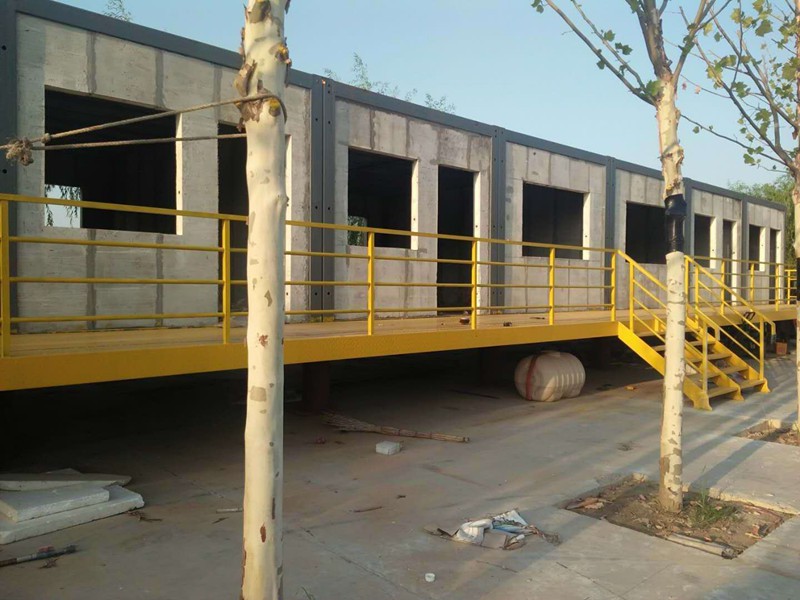
1. Composite Strength
Layered Structure: The combination of the lightweight EPS core and sturdy outer layers enhances the overall impact resistance. The outer layers absorb and distribute the force of an impact, reducing damage to the panel.
2. Energy Absorption
Foam Properties: The EPS core has excellent energy-absorbing properties, which helps to mitigate the effects of impacts, such as from hail, debris, or accidental collisions.
3. Testing Standards
Impact Tests: Many manufacturers conduct standardized impact tests to assess the panels' performance under various conditions. These tests help ensure compliance with building codes and safety regulations.
4. Applications
Versatile Use: Due to their impact resistance, EPS sandwich panels are suitable for a variety of applications, including industrial buildings, warehouses, and even areas prone to severe weather.
5. Customization Options
Enhanced Resistance: For specific applications, panels can be designed with additional reinforcements or specialized surface treatments to further improve impact resistance.
6. Limitations
Severity of Impact: While EPS sandwich panels are resilient, they may not withstand extremely high-impact forces or penetrate from heavy objects. Proper design and material selection are essential for applications in high-risk environments.
EPS sandwich panels provide a good level of impact resistance, making them a reliable choice for many construction applications while maintaining a balance between lightweight design and structural integrity.