

Using insulated panels offers a wide range of benefits across various construction applications. Here are some of the key advantages:
Enhanced Thermal Insulation: Insulated panels provide superior thermal insulation compared to traditional building materials. The insulated core, typically made of materials like Expanded Polystyrene (EPS), Polyurethane (PU), or Mineral Wool (MW), helps regulate indoor temperatures, reducing heating and cooling costs and improving energy efficiency.
Improved Energy Efficiency: By minimizing heat transfer through walls, roofs, and floors, insulated panels contribute to significant energy savings over the lifespan of a building. This reduced reliance on heating and cooling systems helps lower utility bills and reduces greenhouse gas emissions, making insulated panels an environmentally friendly choice.
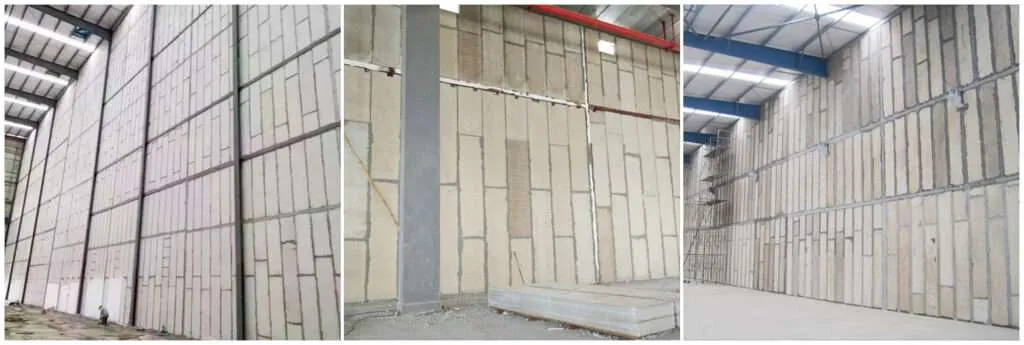
Greater Comfort: Insulated panels create a more comfortable indoor environment by maintaining consistent temperatures throughout the building. They help eliminate cold spots in winter and hot spots in summer, ensuring occupants' comfort year-round.
Condensation Control: Insulated panels help prevent condensation buildup by maintaining surface temperatures above the dew point. This reduces the risk of moisture-related issues such as mold, mildew, and corrosion, improving indoor air quality and protecting building materials and finishes.
Fast and Efficient Installation: Insulated panels are prefabricated off-site, allowing for rapid and efficient installation compared to traditional construction methods. This results in shorter construction timelines, reduced labor costs, and minimized disruption to occupants or nearby activities.
Design Flexibility: Insulated panels come in a variety of sizes, thicknesses, and finishes, offering architects and builders design flexibility to meet specific project requirements and aesthetic preferences. They can be used for walls, roofs, floors, and partitions in a wide range of building types and styles.
Structural Strength: Insulated panels are engineered to provide structural stability and load-bearing capacity, making them suitable for various building applications. Depending on the core material and construction, insulated panels can offer excellent resistance to wind, snow, seismic forces, and other environmental stresses.
Fire Resistance: Many insulated panel systems are designed to meet stringent fire safety standards and regulations. Fire-resistant core materials and facings help inhibit the spread of flames and smoke, providing added protection to occupants and property in the event of a fire.
Cost Savings: While insulated panels may have higher upfront costs than traditional building materials, their long-term benefits, including energy savings, reduced maintenance, and lifecycle durability, often result in overall cost savings over the lifespan of the building.
Overall, the use of insulated panels offers a host of advantages, including improved thermal performance, energy efficiency, comfort, durability, and design flexibility, making them an attractive choice for modern construction projects.